← All insightsBuyer's guide
Ube powder for Hong Kong bakeries and dessert shops
A practical guide to ube powder for Hong Kong bakeries and dessert shops: where it fits on the menu, what to ask a supplier and how local stock in Tsuen Wan shortens lead times.
By Leonard · Digital strategy & operations · November 18, 2026 · 2 min read
Ube powder for Hong Kong bakeries is the practical way to get consistent purple colour and flavour in swiss rolls, egg tarts, soft-serve and mochi. Ube (purple yam, Dioscorea alata) has become a fixture in bakery windows and dessert menus across the city. This guide covers where ube powder works, what to specify and how to order it from local stock in Hong Kong.
Why bakeries choose ube powder over fresh ube
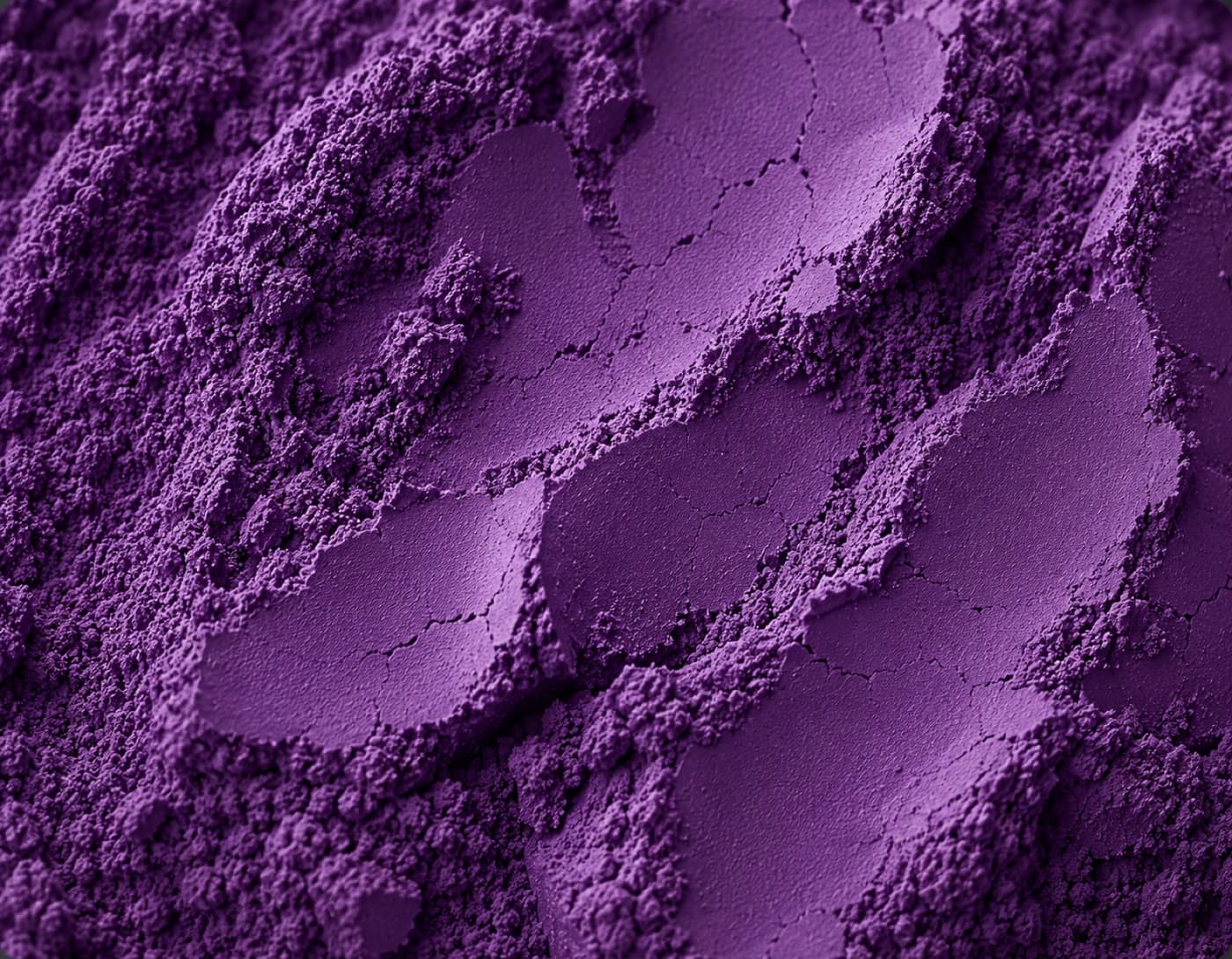
Fresh purple yam is seasonal, varies from batch to batch and needs peeling, steaming and mashing before it can go into a dough or filling. Ube powder is milled from mature purple yam into a fine violet powder that stores well and weighs out the same every time. That makes it easier to keep a signature product looking and tasting the same across shifts and outlets.
Where ube powder works on a Hong Kong menu
- Bakery and viennoiserie: swiss rolls, chiffon cakes, buns, croissant laminations and cookies.
- Fillings and confectionery: ube custard, ube halaya-style fillings, mooncake and mochi fillings.
- Desserts: cheesecake, puddings, pancakes and waffles.
- Frozen: ice cream, gelato and soft-serve bases.
- Drinks: ube lattes and milk tea for shops that also run a drinks bar.
For drinks-led shops, see our guide to ube in milk tea and bubble tea. For a wider look at applications, read ube powder in bakery, RTD and ice cream.
What to specify when you order ube powder
- Source material: ube is purple yam (Dioscorea alata). It is a different plant from taro and purple sweet potato, so ask which one you are getting. Our guide to ube vs taro vs purple sweet potato explains the difference.
- Colour and fineness: a fine, naturally violet powder disperses evenly in batters and creams. Test it in your own recipe, because heat, pH and other ingredients change the final shade.
- Grade: organic or conventional, depending on your menu and labelling.
- Documentation: a certificate of analysis (COA) for every batch, so your quality checks and labelling are backed by paperwork.
- Pack size: a size that matches how fast you use it once opened.
Ube powder from Superfoods Partners
We source ube at origin in the Philippines and China: organic from China, conventional from both. Every batch is screened and documented with a COA and our Verification Record™ before it ships. Packaging runs from 1 kg foil bags to 25 kg cartons and full containers. See the full specification on our ube powder page.
Local stock in Hong Kong
Ube powder is in stock at our office in Tsuen Wan, so Hong Kong bakeries and dessert shops do not have to wait for an international shipment to start or restock. Not sure whether ube, taro or a blend suits your product? Tell us the application and we will advise the right material. Visit our Hong Kong page or contact us for samples and lead times.
Frequently asked
Is ube powder the same as taro powder?
No. Ube is purple yam (Dioscorea alata); taro is a different plant. Both are used in desserts and drinks. Tell us your application and we will advise which material fits.
Can I buy ube powder from stock in Hong Kong?
Yes. Ube powder is stocked at our office in Tsuen Wan, Hong Kong. Contact us for samples and lead times.
Which documents come with each batch?
Every batch ships with a certificate of analysis (COA) and our Verification Record™.
What pack sizes are available?
Packaging runs from 1 kg foil bags to 25 kg cartons and full containers.