← All insightsBuyer's guide
The B2B buyer's guide to matcha wholesale
Everything a manufacturer, café group or private-label brand needs to source bulk matcha with confidence — grades, pricing, documentation and the questions that separate a real supplier from a broker.
By Wanjin · Supply chain & sourcing · July 29, 2026 · 7 min read
Buying matcha wholesale means sourcing bulk green-tea powder — typically from 25 kg up to a full container — direct from an origin or a sourcing partner, with a Certificate of Analysis per batch. Price and suitability come down to grade (ceremonial, premium or culinary), origin, and how the leaf was grown and milled. This guide walks through each decision.
Grades: ceremonial, premium, culinary
Grade is the first decision and the biggest driver of price. Ceremonial matcha is whisked straight with water — vivid green, naturally sweet, fine on the palate — and suits premium lattes, matcha bars and straight service. Premium is the everyday workhorse: balanced colour and flavour for cafés, RTD drinks and daily menu use at scale. Culinary is built to hold its colour and body against other ingredients — for bakery, ice cream, desserts and supplements.
What drives quality — and price
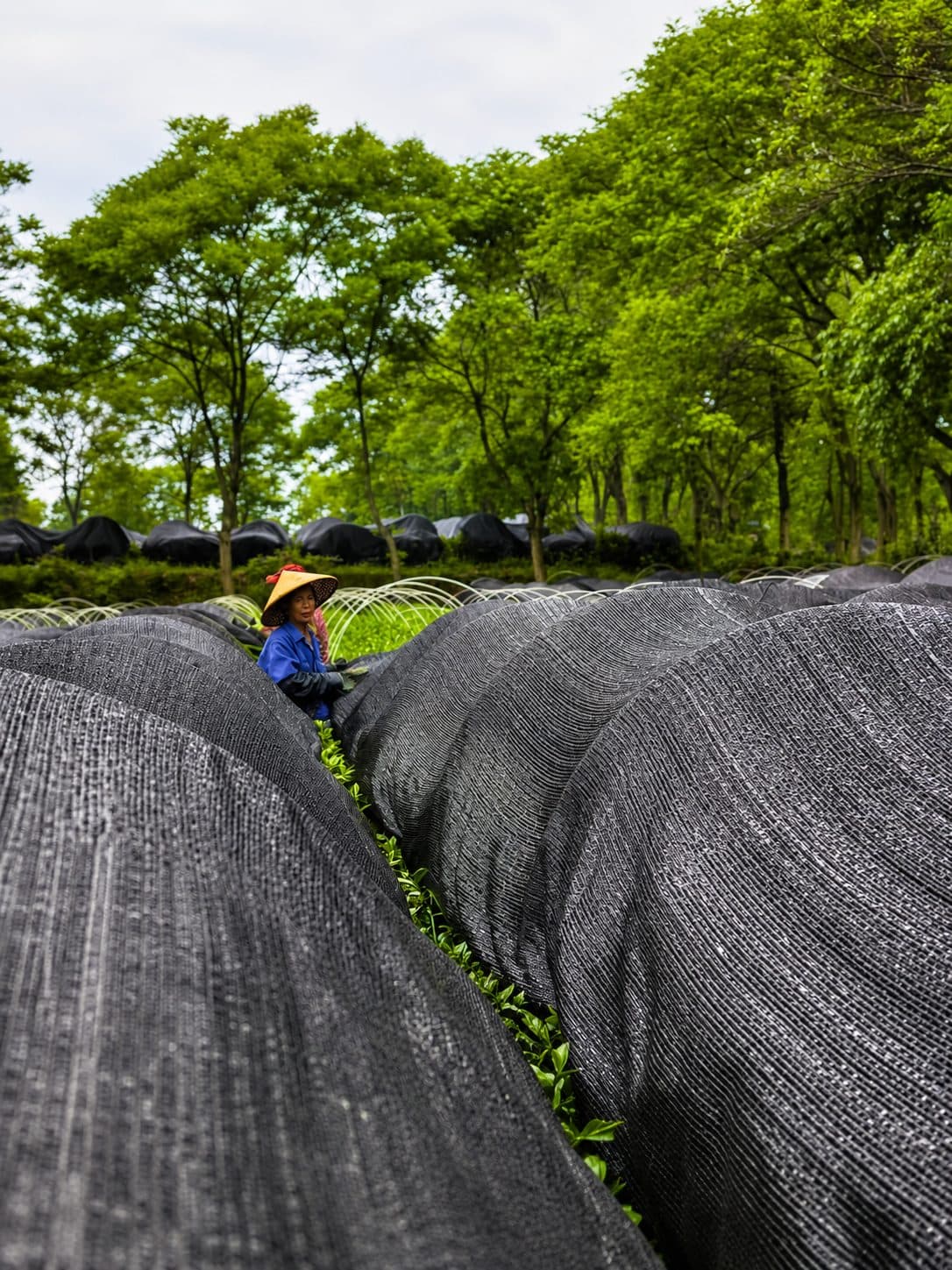
Matcha is shade-grown: the plants are covered for weeks before harvest, which raises chlorophyll and amino acids and builds the deep colour and umami. First-harvest leaf, careful de-veining and slow stone-milling all lift quality and cost. Origin matters too — Japanese gardens (Uji, Kagoshima, Nishio) command a premium; other origins offer value at volume. A good supplier is transparent about all of this, per batch.
MOQ, lead times and incoterms
Most B2B matcha ships from a 25 kg minimum up to full-container volumes, with samples available first so you can approve the material before a bulk order. Typical lead times run 2–4 weeks depending on grade, packaging and route. Incoterms are usually FOB, CIF or DDP — agree these up front, along with packaging (1 kg foil up to 25 kg cartons) and shelf-life handling.
Certifications and documentation
For food-grade matcha, expect organic certification where relevant — JAS (Japan), EU Organic and USDA Organic — plus food-safety systems such as HACCP and FSSC 22000. Every batch should ship with a Certificate of Analysis covering pesticide residue, heavy metals, microbiology and radiation. We add a Verification Record per batch so buyers and their auditors have the paperwork before they ask.
How to vet a matcha supplier
Ask five questions. Can they name the origin and show it? Do they lab-test every batch and share the COA? Can they hold a consistent spec across repeat orders? What are the real MOQ, lead time and incoterms? And is there a person you can reach in your timezone? A supplier who answers all five with documentation — not adjectives — is one you can build on.
Key facts
- MOQ
- 25 kg → full container
- Lead time
- 2–4 weeks
- Incoterms
- FOB / CIF / DDP
- Grades
- Ceremonial · Premium · Culinary
- Certifications
- JAS, EU & USDA Organic; HACCP; FSSC 22000
Frequently asked
What is the minimum order for wholesale matcha?
From 25 kg, up to full-container volumes. Sample quantities can be arranged first so you can confirm the material before a bulk order.
Which matcha grade should I buy?
Ceremonial for premium lattes and straight service; premium for everyday café and RTD use at scale; culinary for bakery, desserts and supplements where it sits alongside other ingredients.
Is your matcha organic-certified?
Organic matcha is available with JAS, EU Organic and USDA Organic certification, alongside HACCP and FSSC 22000 food-safety systems. Every batch ships with a Certificate of Analysis and a Verification Record.
Can I get a sample before ordering?
Yes. We sample and verify first — you taste, test and approve the material before anything scales to a bulk order.