Origin
Choosing a matcha origin: Uji, Kagoshima, Nishio and beyond
Where your matcha is grown changes how it tastes and what it costs. A short guide to the origins that matter.
By Wanjin · Supply chain & sourcing · July 29, 2026 · 5 min read
Origin
Where your matcha is grown changes how it tastes and what it costs. A short guide to the origins that matter.
By Wanjin · Supply chain & sourcing · July 29, 2026 · 5 min read
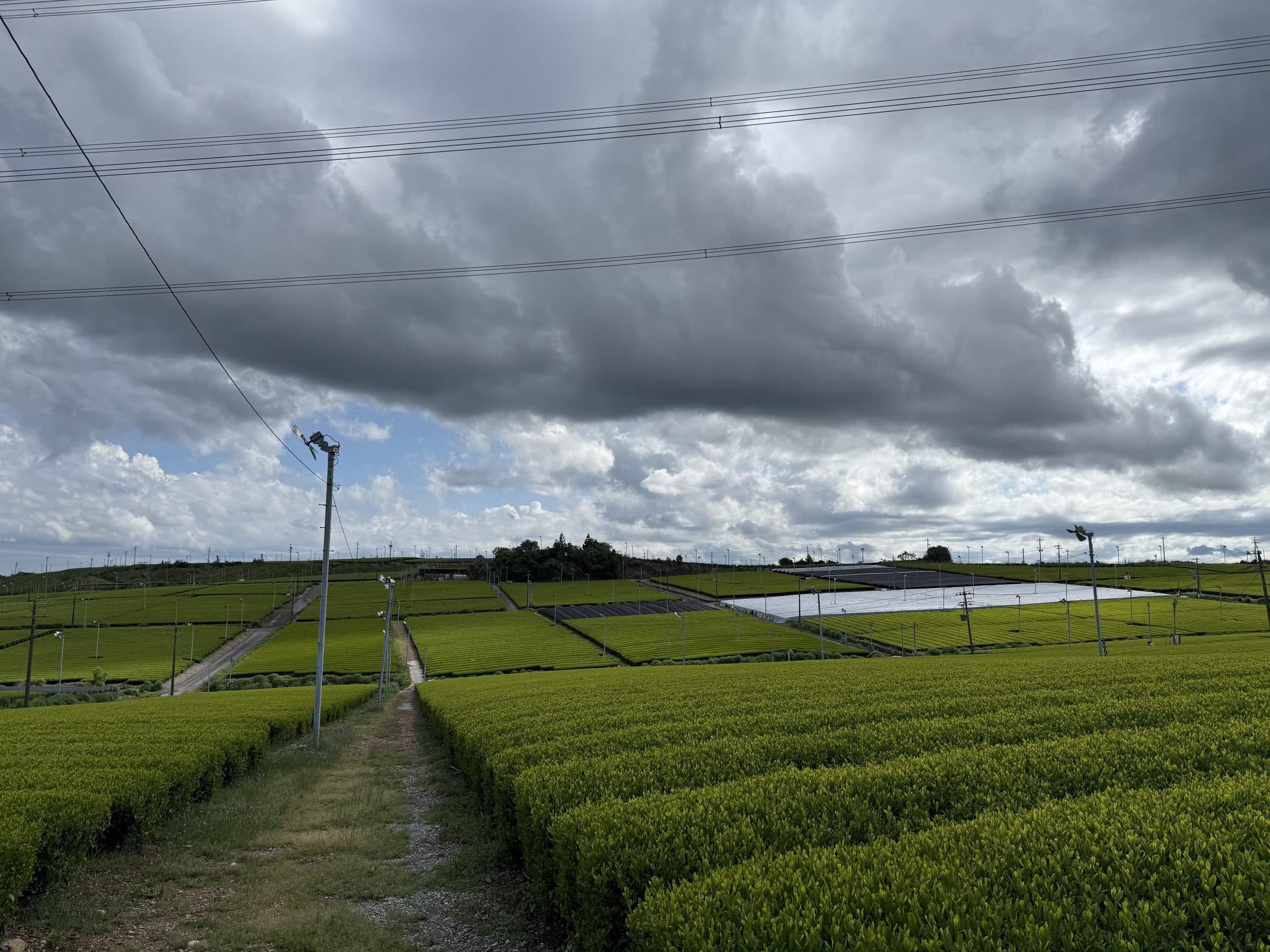
Origin is to matcha what appellation is to wine. Japan's historic gardens — Uji, Kagoshima and Nishio — set the benchmark for ceremonial quality, each with its own character. Other origins, including parts of China, offer dependable quality at volume. The right choice depends on your grade, budget and scale.
Climate, soil, cultivar and harvest timing all shape the leaf before it is ever milled. Cooler regions and first-harvest leaf tend to give sweeter, more vivid matcha; warmer regions and later harvests give bolder, more astringent profiles better suited to blending. Origin is also a traceability and price signal.
Uji (Kyoto) is the historic heart of matcha — refined, sweet, prized for ceremonial grades. Kagoshima, in the warm south, harvests early and at scale, with a fresh, vibrant profile. Nishio (Aichi) is a long-established milling region known for consistency. Each commands a premium and suits drinking grades.
China produces large, consistent volumes of green tea suitable for premium and culinary grades, often at a lower price point — useful when colour and cost matter more than a ceremonial cup. The key is the same everywhere: single-origin traceability and a lab report per batch, so value never means unknown.
For ceremonial drinking grades, Japanese gardens set the standard. For premium and culinary uses at volume, well-sourced Chinese matcha can be an excellent, cost-effective fit — provided it is single-origin and lab-tested.
Yes. Multi-origin blending, done transparently and documented per batch, is a common way to hold a consistent spec and secure supply across a year.