← Todos los análisisReport
Matcha & superfood wholesale: the 2026 demand & sourcing report
What buyers are searching for across matcha and superfood powders — and the B2B sourcing standards behind meeting that demand. Original 2026 data from Superfoods Partners.
Por Wanjin · Supply chain & sourcing · 30 de julio de 2026 · 6 min de lectura
Consumer demand for matcha and superfood powders is large and still rising — matcha alone draws over 3.3 million searches a month worldwide, with functional mushrooms and botanicals close behind — yet the wholesale side that supplies it, and the tencha price surge now reshaping it, stays largely opaque. This report looks at both: where demand is heading, and what is happening to supply.
Demand is broad, not niche
Matcha has crossed fully into the mainstream — it now draws over 3.3 million searches a month worldwide — and the category runs far beyond it, with functional mushrooms like lion's mane and botanicals like hibiscus each pulling six-figure monthly demand. Consumer appetite for these ingredients is broad and durable.
It is also still climbing. Worldwide search interest in matcha rose about 18% in 2026 versus 2025, and ube — the clean-label natural purple moving from Filipino kitchens onto global menus — about 63% (Google Trends). Demand is building, not levelling off.
What it means for brands and manufacturers
Demand this size means the question is no longer whether to carry matcha or a superfood powder, but how to source it reliably. That is where the market is thin: buyers routinely struggle with inconsistent colour and flavour batch to batch, unclear minimums, and missing documentation when auditors ask. The opportunity sits with supply that is single-origin, lab-tested and documented — where a consistent spec is guaranteed, not hoped for.
The tencha squeeze — why matcha is getting expensive
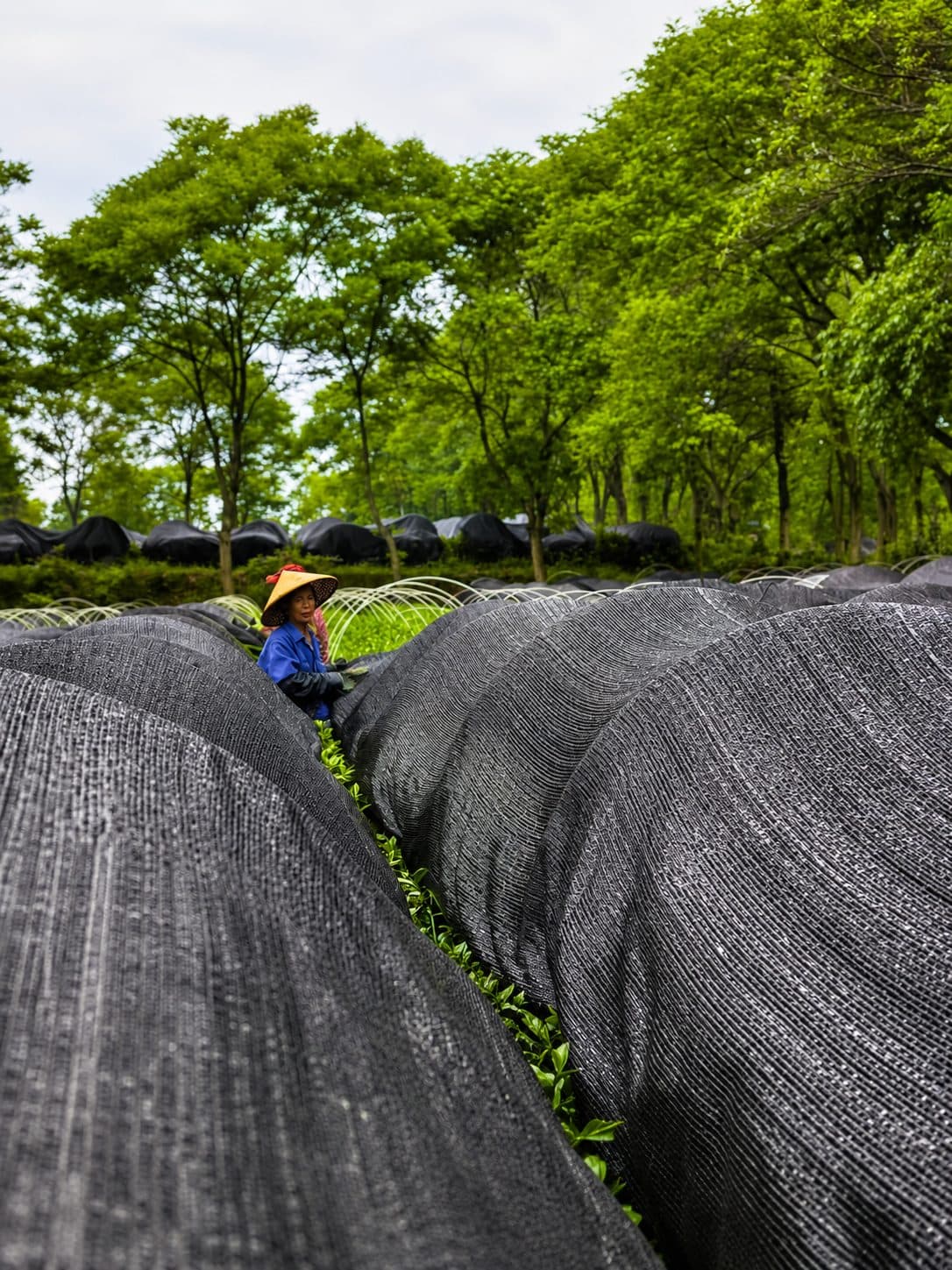
Behind every tin of matcha is tencha, the shade-grown leaf it is milled from. Tencha has risen roughly 80–90% versus last year's harvest, according to Superfoods Partners' sourcing desk — a jump that flows straight through to finished matcha and is pushing consistent supply out of reach for many buyers.
The driver is demand. Tencha farms set the price, and with global matcha demand up sharply year over year they are raising it, while harvest conditions add further swing. That is exactly why leaning on a single country is a risk — it leaves a buyer fully exposed to one harvest and one price. Working directly with farms, and sourcing across more than one origin, is how we build back some control over price and production rather than simply passing the increase on.
The sourcing standards behind supply
Meeting that demand at scale runs on a few concrete standards. Orders typically start at 25 kg and run to a full container, with samples first so buyers approve the material before committing. Lead times run 2–4 weeks, on FOB, CIF or DDP terms. And every batch should carry a full lab panel and documentation — the difference between a good sample and a supply you can build a product line on.
Methodology
Demand figures are drawn from worldwide Google search data, 2026. Year-over-year interest is Google Trends relative search interest (worldwide, 2026 versus 2025, year to date) — an index of interest, not absolute volume. Tencha and matcha price movement is reported by Superfoods Partners' sourcing desk versus the prior harvest. Sourcing standards reflect our operating practice as a B2B sourcing partner. Figures are indicative of demand, trend and process — not a price quotation.
Datos clave
- Matcha demand
- 3.3M+ searches / month (worldwide)
- Matcha interest
- +18% YoY (2026 vs 2025)
- Tencha price
- +80–90% vs last harvest
- Ube interest
- +63% YoY (2026 vs 2025)
- Source
- Google Trends · worldwide · 2026
Demand & price trends, year over year
| Signal | Change | Basis |
|---|
| Matcha — search interest | +18% | 2026 vs 2025, worldwide (Google Trends) |
| Ube — search interest | +63% | 2026 vs 2025, worldwide (Google Trends) |
| Tencha — price | +80–90% | vs last year's harvest (SFP sourcing desk) |
Search interest is a relative index (Google Trends), not absolute volume. Tencha price movement per Superfoods Partners' sourcing desk.
B2B sourcing standards
| Parameter | Standard |
|---|
| Minimum order (MOQ) | From 25 kg to a full container |
| Lead time | 2–4 weeks |
| Incoterms | FOB / CIF / DDP |
| Lab testing (every batch) | Pesticide residue, heavy metals, microbiology, radiation |
| Certifications | JAS, EU & USDA Organic; HACCP; FSSC 22000 |
| Documentation | Certificate of Analysis + Verification Record per batch |
| Sampling | Samples before bulk — approve material before scaling |
Superfoods Partners operating standards, 2026.
Preguntas frecuentes
Where does the demand data come from?
Demand figures are drawn from worldwide Google search data, including Google Trends, in 2026. Tencha and matcha price movement is reported by our own sourcing desk; sourcing standards reflect our operating practice.
Can I cite this report?
Yes — please do. Journalists, analysts and buyers are welcome to cite these figures with attribution to Superfoods Partners and a link to this page. For the underlying detail or a comment, contact us.